
Kijani Tours is Tanzanian-owned and based in Moshi, not managed from an overseas office. Every trip you book includes park fees and government conservation levies, which go directly to ranger patrols and habitat management in the parks you are about to explore. Your guide, driver, and mountain crew aren't freelancers hired for the season. They are Kijani staff, paid directly by us for the work they do with you.
Kijani Tours Home — GO. FIND. REGENERATE
For You: The Guest
Kijani itineraries are built around watching, not rushing: early starts before the heat, unhurried game drives, and camps positioned so wildlife moves past without needing to be chased. On Kilimanjaro, the pace is set by the route and your acclimatisation schedule, not a fixed itinerary. What guests tell us stays with them afterwards is usually a specific moment, not a general feeling: a hyena den at dawn, a Chagga coffee farm on Kilimanjaro's lower slopes, or the quiet at Barafu Camp before a summit push.
For the Local Community
Kijani's guide and driver team is based in Moshi, and mountain crew wages comply with Kilimanjaro National Park's porter wage regulations. Cultural visits are arranged directly with the host family or community group, not through a fixed programme. What's shared, whether that's a coffee harvest, a farming season, or a recipe, is chosen by the hosts themselves.
For the Land and Ecosystem
Every Kijani booking includes Tanzania National Parks entry fees, government taxes, and the government conservation levy, which directly fund ranger operations, habitat management, and anti-poaching patrols, not through a separate Kijani programme. Vehicle numbers on each safari with Kijani are kept small by design. In Ngorongoro Crater, that means fewer vehicles competing for the same sighting inside a caldera that already holds one of the highest wildlife densities recorded anywhere in East Africa.
Travel that gives back to all three.
Three things happen on every Kijani itinerary: you get time in Tanzania's parks and mountains without a rushed schedule; the guides, crew, and hosts you work with are paid directly for their work; and part of what you pay goes towards the park fees and levies that fund on-the-ground conservation. That is what "for the guest, the people, and the land" actually means here.
.
Not Just Guides: Safaris and Kilimanjaro Treks Led by the People Who Live Here
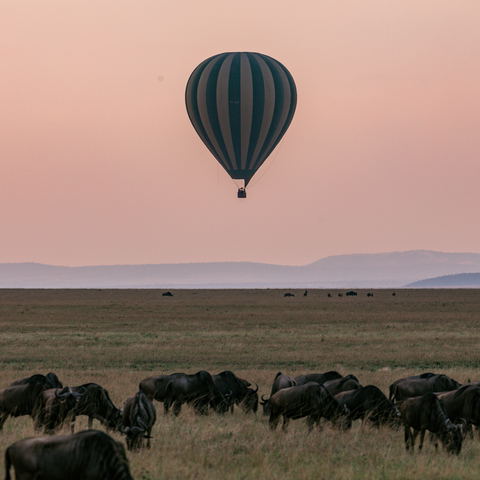
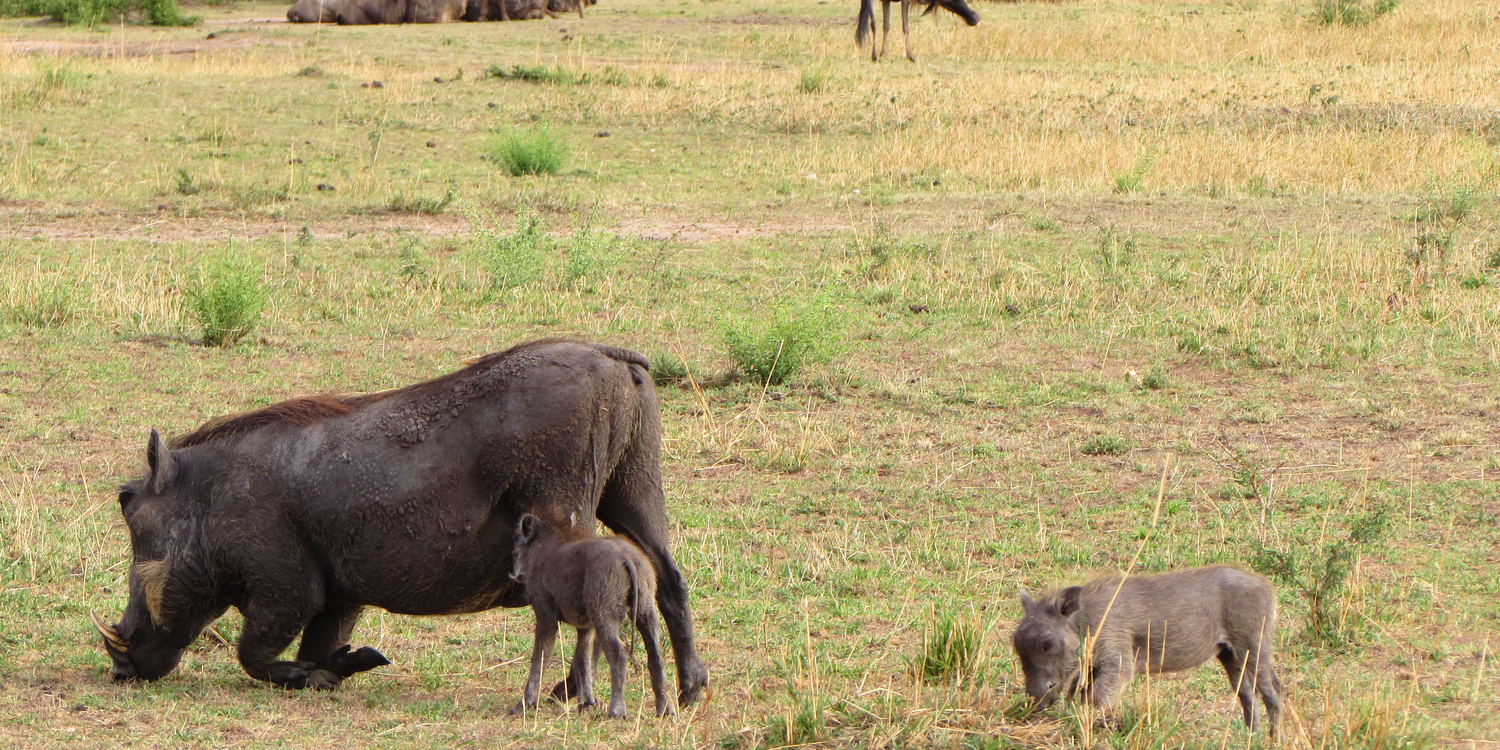
Kijani Tours plans every journey from Moshi, at the foot of Kilimanjaro, with the guides who will lead it. Our guides grew up in the shadow of Kilimanjaro and learned early that the land is always talking. Beside them, you will start to hear it too: the fresh track across the road, the alarm call from the trees, the reason the herds moved on last week. From the Serengeti plains to the forests of the west in Gombe and Mahale National Park, the same attention travels with you. We build each itinerary around the season you travel in, with time to stop, watch, and ask questions, not a race between sightings.
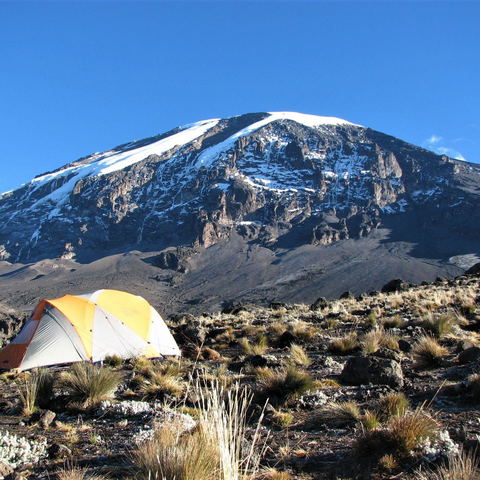
Kilimanjaro is climbed, not summited, in a single push. Kijani runs treks on the Machame, Lemosho, Rongai and Marangu routes, ranging from six to eleven days, with the extra days built in for acclimatisation rather than distance. The route crosses five distinct climate zones between Moshi and Uhuru Peak at 5,895 metres, from rainforest to alpine desert to the summit's ice field. Mountain crew wages follow Kilimanjaro National Park's regulated porter pay scale, and crew sizes are set by park rules, not by how many climbers fit in one group.
Where the animals are depends on the month. The herds follow the rain and the grass, and each of our safaris is built around that pattern. Choose a programme below as a starting point. We will adjust the days, parks and pace to your dates.
Every price includes Tanzania National Parks fees, conservation levies and government taxes.
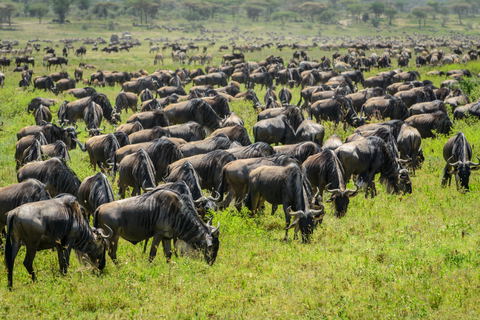
8 days / 7 nights | Southern Serengeti and Ndutu 8-Day Serengeti Calving Season Safari
Timed for the weeks when the herds gather on the short-grass plains of the south to give birth. Your guide positions the vehicle around the herds and waits, because the predators are rarely far behind.
Best months: January to March
Parks: Southern Serengeti and Ndutu area
Suits: Travellers who want predator activity and newborn wildebeest in one place
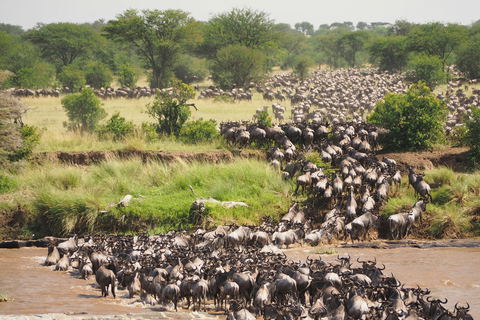
9 days / 8 nights | Northern Serengeti 9-Day Great Migration Safari: Serengeti and Mara River
Built around the Mara River in the far north of the Serengeti, where the herds cross back and forth in the dry season. Crossings cannot be timed to the hour, so the plan leaves room to wait at the river.
Best months: July to October
Parks: Northern Serengeti and the Mara River
Suits: Travellers set on seeing a river crossing, with patience for long waits
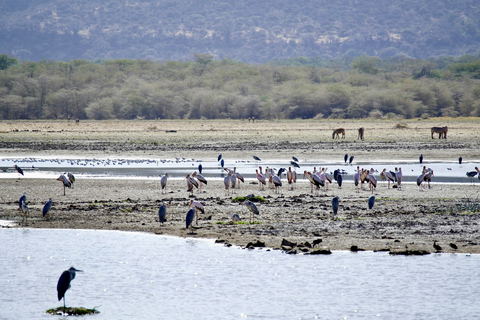
7 days | Tanzania’s Wildlife Heartland 7-Day Safari: Serengeti, Ngorongoro and Manyara
The most direct way to see the three best-known parks of the north in one week: the open plains of the Serengeti, the crater floor at Ngorongoro, and the forest and lake edge of Manyara.
Best months: Year-round
Parks: Serengeti, Ngorongoro Crater, Lake Manyara
Suits: First-time visitors with a week
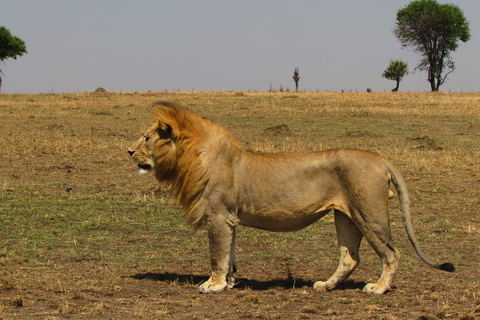
7 days | Camping 7-Day Budget Camping Safari: Tarangire, Lake Manyara and Ngorongoro
A lower-cost week using public and private campsites instead of lodges. The parks and the guiding stay the same; the nights are spent under canvas.
Best months: June to October is best for Tarangire
Parks: Tarangire, Lake Manyara, Ngorongoro Crater
Suits: Travellers on a tighter budget who are comfortable camping
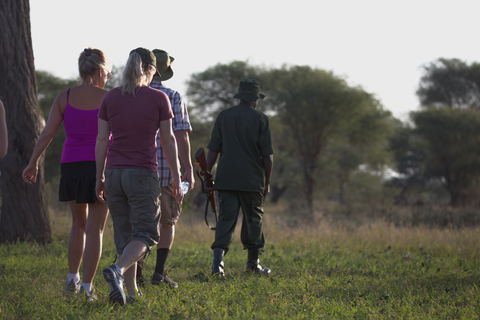
8 days | On foot and by vehicle 8-Day Walking Safari: Kilimanjaro, Maasai Lands and Ngorongoro
Part of each day is spent walking with an armed ranger and your guide, reading tracks and plants at ground level, before continuing by vehicle to Ngorongoro.
Parks: Kilimanjaro foothills, Maasai lands, Ngorongoro
Suits: Active travellers who want to learn the bush up close
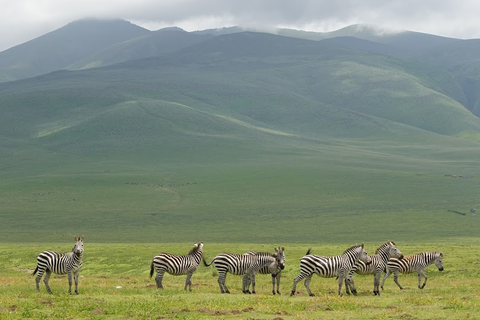
9 days | North and south, with flights 9-Day Safari: Serengeti, Ngorongoro and Ruaha
Combines the northern parks with Ruaha in the south, a larger and quieter park. Flights between regions save two long days on the road.
Best months: June to October is best for Ruaha
Parks: Serengeti, Ngorongoro Crater, Ruaha
Suits: Travellers who want the famous parks and somewhere with far fewer vehicles
Not sure which safari suits your plans? Just share your travel dates and who is coming along. We will give you an honest overview of the parks and then recommend the itinerary that suits you best.
Kilimanjaro Treks
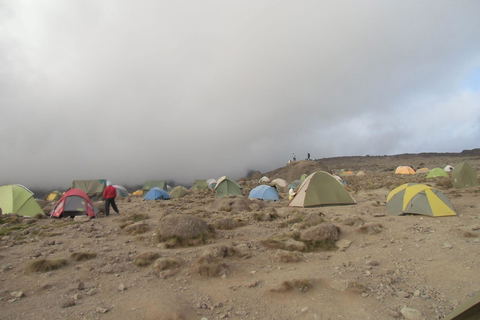
6 days | Marangu Route 6-Day Kilimanjaro Marangu Route Trek
Marangu is the only Kilimanjaro route with huts instead of tents, and the only one where you go up and come down the same trail.
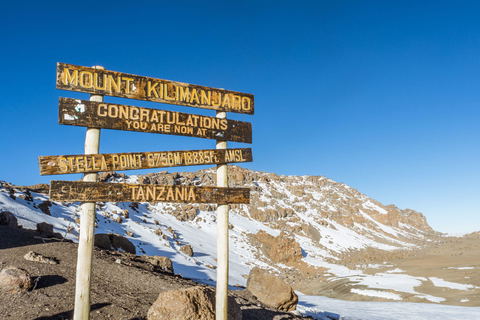
7 days | Machame Route 7-Day Kilimanjaro Machame Route Trek
Discover the stunning beauty of Kilimanjaro's Machame Route on a 7-day trek. Journey through varied landscapes, enjoy rapid acclimatization, and witness ever-changing panoramic views that build anticipation for reaching the summit.
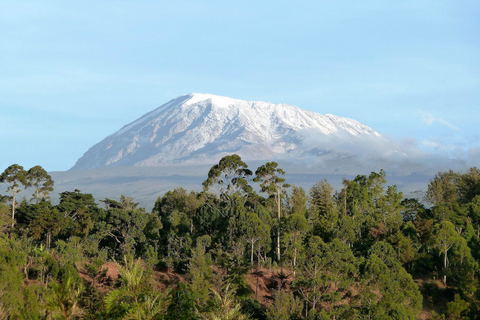
9 days | Lemosho Route 9-Day Kilimanjaro Lemosho Route Trek
The 9-Day Kilimanjaro Trek via the Lemosho Route offers a gradual and rewarding path to Uhuru Peak at 5,895 metres.
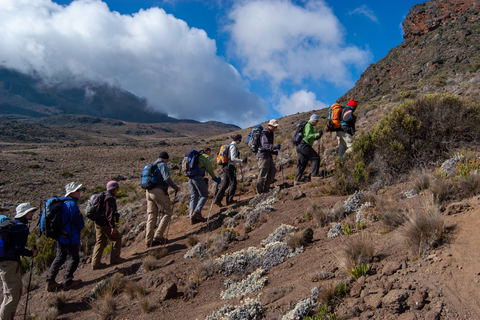
9 days | Rongai Route 9-Day Kilimanjaro Trek via Rongai Route
Rongai is the only route that starts on Kilimanjaro's northern side, close enough to the Kenyan border that your first day passes through Nalemuru village before entering a pine forest most other climbers never see.
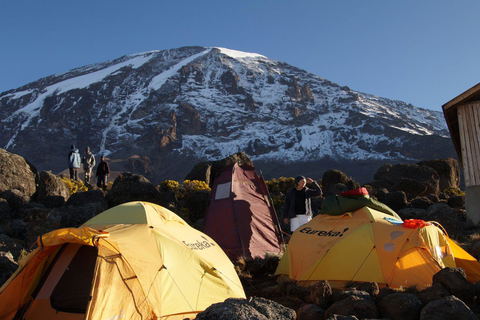
11 days | Northern Circuit 11-Day Kilimanjaro Northern Circuit Trek
The Northern Circuit is the longest route on Kilimanjaro and one of the quietest.
Share This Page